“Living with PTSD as a veteran is a unique journey—one filled with both visible and invisible battles. But you are not alone; your resilience is the foundation for healing.”
For many veterans, the road after service turns into a battle of a new kind—one fought quietly every day. Post-Traumatic Stress Disorder (PTSD) brings its own set of challenges, from sleepless nights and anxiety to moments of isolating panic. If you’re reading this, know that you’re not alone in these struggles. Each day may feel like an uphill climb, but there are proven PTSD coping strategies that can pave the way toward genuine healing and hope. This guide is designed with your experience in mind—crafted to offer compassionate understanding, real tools, and the reassurance that healing is possible, even from the harshest of traumas. Your story matters, and so does your path to recovery.
Understanding PTSD Coping Strategies: An Essential Guide for Veterans
-
Examine what PTSD coping strategies mean for veterans
-
Discuss how trauma impacts mental health and daily life
-
Introduce the holistic approach to coping strategies
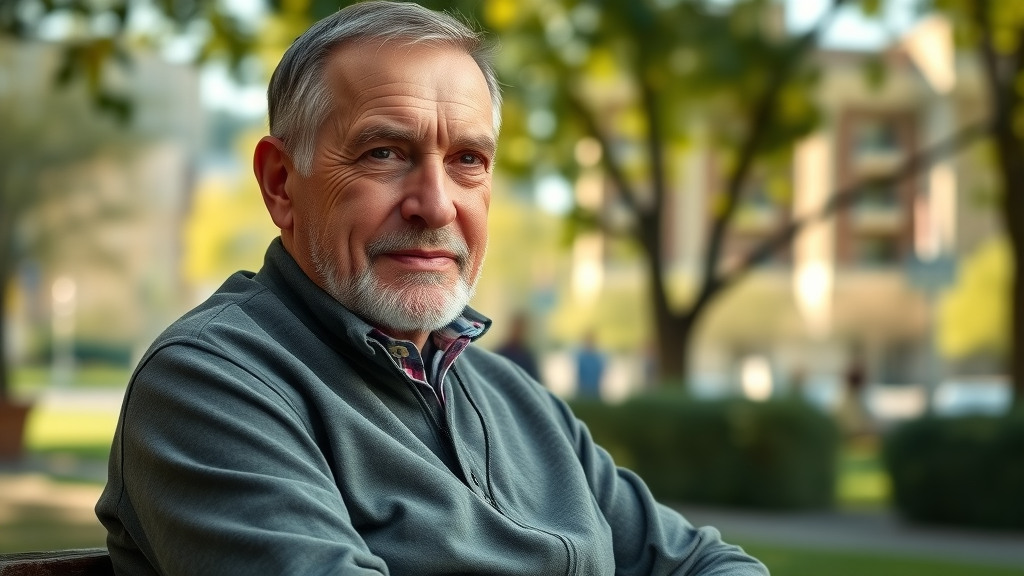
For veterans, PTSD coping strategies are more than just suggestions—they are lifelines. PTSD results from experiencing a traumatic event, which for many veterans, occurs during service. Coming home, however, doesn’t mean the mind leaves those memories behind. Instead, symptoms may include flashbacks, nightmares, intrusive memories, and an overwhelming sense of anxiety—each capable of disrupting daily life. That’s why it’s helpful to understand that coping strategies are not a “one-size-fits-all” solution. They serve as a toolkit, allowing veterans to choose what aligns with their personal aspects and needs, whether that is grounding, support, therapy, or self-reflection.
A holistic approach recognizes that mental health is complex and interconnected. Beyond the immediate fight-or-flight responses, coping strategies address the heart, mind, and body together. By using supports such as mindfulness, routine, community, and creativity, veterans reclaim moments of peace and normalcy. These skills can transform how you view yourself and the world, and they equip you to handle triggers and stress on a daily basis, ensuring your activity reflects your commitment to healing, courage, and hope.
“Every day, veterans confront the lasting effects of traumatic stress. Effective coping strategies are tools for reclaiming your life.”
Why PTSD Coping Strategies Matter: The Veteran Perspective
Personal Stories: Navigating Post-Traumatic Stress
-
First-hand accounts of using coping strategies
-
The challenge of mental health stigma in the veteran community
Veterans who have faced traumatic stress often describe it as a constant companion, one that sometimes feels inescapable. For some, a panic attack in a crowded grocery store brought memories roaring back; for others, sleepless nights meant reliving missions long after they were over. Coping skills became essential, particularly as some in their support networks—family members, friends, even fellow veterans—didn’t always understand the internal battles. Stigma around mental health in the military community can make seeking help feel risky or even weak, but those who push through often find strength on the other side.
A Navy veteran shared how joining a peer support group shifted everything: “For the first time, I felt understood. My experiences, my trauma—they didn’t make me broken, just human.” Others credit cognitive strategies and community engagement for helping them regain control. These testimonials reinforce that sharing one’s journey and embracing various coping mechanisms can change lives, turning isolation into collaboration and resilience.
Connecting Traumatic Stress and Practical Coping Methods
-
Addressing traumatic stress symptoms
-
How coping strategies provide hope and structure
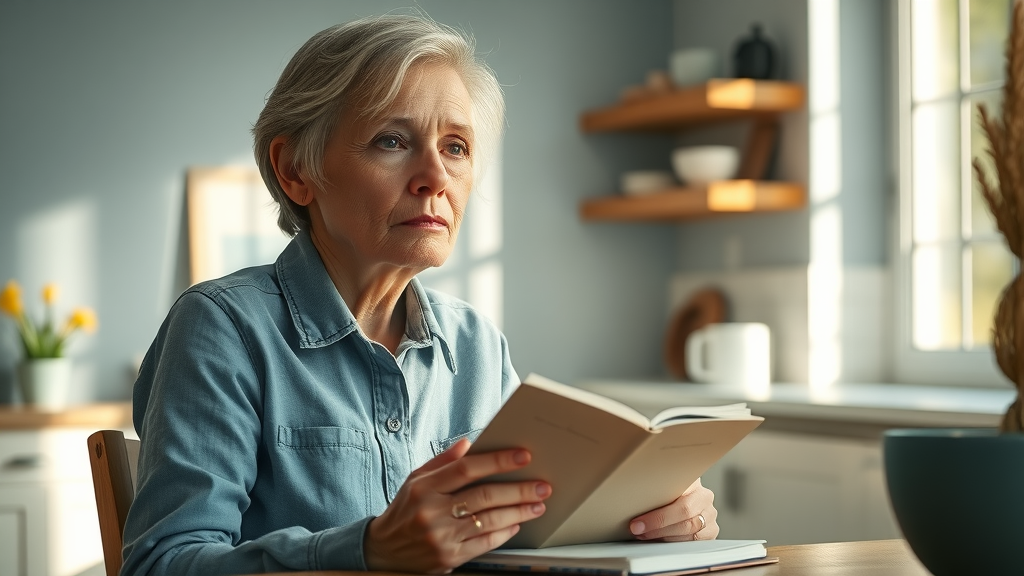
The connection between traumatic stress and practical coping methods is clear: coping strategies empower veterans to manage symptoms actively. Grounding techniques, such as breathing exercises or using a journal, can minimize overwhelming feelings and anchor the mind in the present. Such strategies are not about “getting rid” of memories—they are about creating a structure where the intense emotions don’t dictate every action or reaction.
Many veterans rely on routines, peer support, and creative outlets to provide hope and daily anchors. These habits offer structure and safety, making it possible to look ahead rather than constantly reliving the past. Practical strategies do more than simply soothe symptoms—they open up the possibility of a fuller, more hopeful life where trauma is not the only defining narrative.
What You’ll Gain from Exploring the Best PTSD Coping Strategies
-
A toolkit for daily challenges
-
Practical insights and real-world examples
-
Hope for improving mental health after traumatic stress
Exploring PTSD coping strategies offers more than solutions— it offers empowerment . You’ll learn to build a personalized toolkit that addresses your unique symptoms and challenges, whether you are struggling with anxiety, insomnia, agitation, or a sense of isolation. These coping skills aren’t just effective in theory; they’re drawn from experiences of similar users and veterans who have traveled this path before.
Through practical examples and step-by-step approaches, you’ll see how each technique can be tailored to fit any device type—whether that’s your daily routine, your hobbies, or your connections. This knowledge brings hope for anyone living with PTSD, supporting both healing and the activities on this service we call life.
|
Comparison of Common PTSD Coping Strategies |
||
|
Coping Strategy |
Best For |
Example Activities |
|---|---|---|
|
Mindfulness |
Daily anxiety |
Meditation |
|
Physical Activity |
Agitation |
Walking, jogging |
|
Peer Support |
Loneliness |
Veteran groups |
Top 10 PTSD Coping Strategies Recommended by Veterans
1. Harnessing Mindfulness for Trauma Recovery
-
Mindfulness as a grounding technique
-
Guided breathing and awareness practices
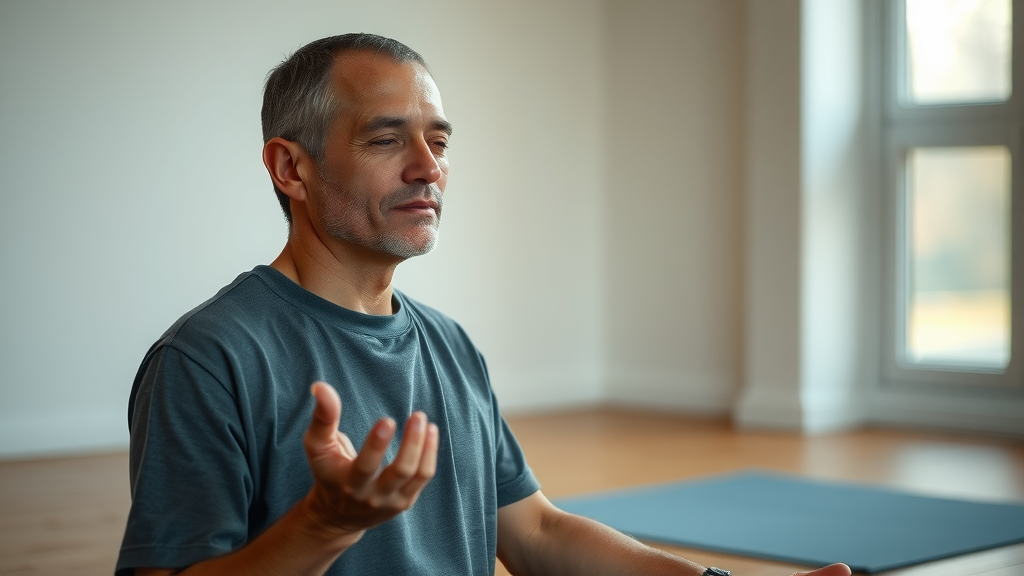
Mindfulness is often the first PTSD coping strategy veterans turn to when confronted with intense symptoms. Grounding techniques—such as guided breathing, muscle relaxation, and focused attention to the present moment—can quickly reduce panic attack intensity and help veterans regain a sense of control during challenging moments. By anchoring yourself in your breath or your sensory surroundings, you can slow the cascade of stress hormones and reframe negative thoughts.
Incorporating mindfulness into daily routines is both simple and profound. It can be practiced with guided apps, meditation groups, or independently, and it serves as an accessible coping skill that reduces anxiety and restores equilibrium, regardless of other activity on this service of life.
“Mindfulness became my anchor—when memories came crashing in, I focused on my breath and found calm.”
2. Establishing Routines to Support Mental Health
-
Structuring the day to manage traumatic stress
-
Practical tips on healthy routines
Routine is a powerful ally in supporting mental health for those coping with PTSD. Creating a structured daily plan—waking up at consistent times, scheduling meals, engaging in physical activity, and planning downtime—reduces unpredictability and offers a stable backdrop for progress. This regularity not only addresses PTSD symptoms but also builds confidence and predictability in daily life, which is crucial when the mind is prone to reliving traumatic events.
Veterans who establish and stick to healthy routines report having more energy and resilience, even on difficult days. Starting small by prioritizing sleep, nutrition, and self-care ensures routines are sustainable and can be adjusted as recovery progresses. Ultimately, these routines create positive habits that support your mental health long-term.
3. Using Physical Activity as a Positive Outlet
-
Exercise reduces stress hormones and boosts mood
-
Suggestions for veteran-friendly activities

Physical activity is one of the most effective ways to break the cycle of stress and agitation. Regular movement releases endorphins, reducing the harmful effects of stress hormones and promoting a sense of well-being. For veterans, choosing familiar or enjoyable activities—such as walking, jogging, swimming, or group sports—can serve as a positive outlet for trauma-related energy.
Exercise not only improves mood but also fosters healthy sleep patterns, strengthens the body, and encourages social connections with similar users. Even modest increases in activity can result in noticeable improvements in anxiety, depression, and overall mental health, making it a critical part of any coping toolkit.
4. Leveraging Peer Support and Veteran Groups
-
How camaraderie and shared experiences foster healing
-
Local and national resources for connecting
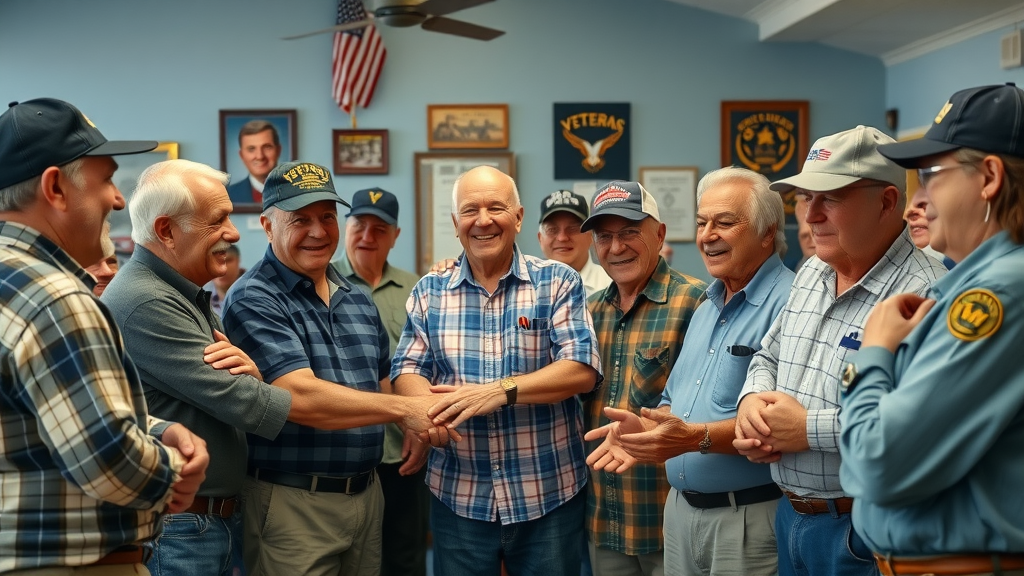
Peer support is a cornerstone of trauma recovery for veterans. Sharing experiences with others who have faced similar battles breaks isolation and reduces the shame that often accompanies PTSD. Veteran support groups—both local and national—offer safe spaces to talk candidly, celebrate progress, and discover new coping skills.
Organizations such as the VA and veteran-focused nonprofits maintain networks where former service members can connect, share, and find understanding in their unique challenges. These groups often provide education, practical guidance, and a sense of camaraderie that cannot be matched elsewhere, making it easier to reflect your activity in the forward momentum of healing.
5. Developing Positive Self-Talk to Challenge Negative Thoughts
-
Cognitive strategies for reframing thinking patterns
-
Building resilience against traumatic stress triggers
Positive self-talk is about recognizing and interrupting negative patterns of thinking—the kind that can reinforce PTSD symptoms. By deliberately challenging cognitive distortions and reframing thoughts, veterans develop resilience, learning to see themselves as capable and worthy, instead of defined by trauma.
This coping skill can be practiced with a therapist or independently, using prompts such as, “Is this thought true, or is it a product of fear?” or “What evidence do I have for and against this belief?” Over time, positive self-talk can quiet the inner critic and reinforce self-esteem, especially during moments of stress or uncertainty.
6. Creative Expression: Art, Writing, and Music

-
Expressing trauma in healthy, non-verbal ways
-
Recommendations for starting creative outlets
Creative expression offers a powerful, non-verbal outlet for trauma. Veterans who struggle with words can turn to art, music, or writing to process and communicate their experiences. Painting, drawing, playing an instrument, or composing poetry can channel intense emotions into something tangible and meaningful.
Creative practices not only reduce stress but also facilitate healing by helping veterans process personal aspects of trauma in their own time and way. Community art programs and writing workshops for veterans are excellent places to start if you’re curious about integrating creativity into your coping strategies.
7. Practicing Controlled Exposure and Desensitization
-
Gradually facing triggers with professional support
-
Safety precautions and mental health considerations
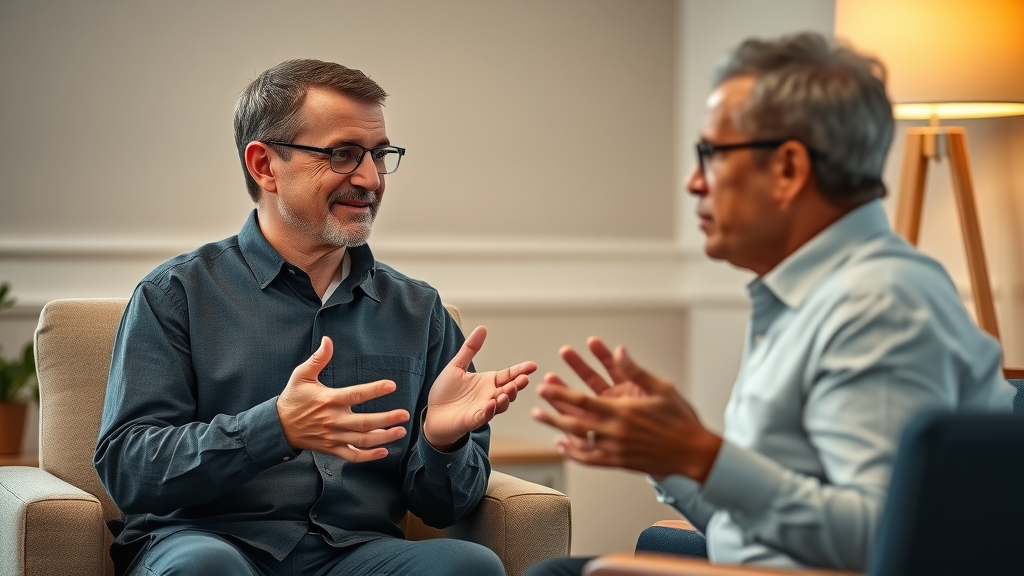
Controlled exposure involves gradually confronting feared situations or memories under the guidance of a mental health professional. Through this process—sometimes called desensitization—veterans slowly build tolerance to triggers, reducing panic and avoidance behaviors over time.
This PTSD coping strategy should always be carried out with expert oversight, especially if trauma symptoms are severe. Professional support ensures that safety precautions are in place, and that the process moves at a pace that’s comfortable and effective, resulting in improved confidence and decreased fear in the face of triggers.
8. Accessing Professional Mental Health Resources
-
Overview of therapies (CBT, EMDR, etc.)
-
Navigating VA benefits for treatment
Many veterans benefit from structured therapies such as Cognitive Behavioral Therapy (CBT) or Eye Movement Desensitization and Reprocessing (EMDR) . Therapists can tailor sessions according to your needs, helping you manage panic attacks, triggers, and persistent negative thoughts. For veterans, the VA offers programs designed to meet unique challenges rooted in service-related traumatic events.
Navigating access to these resources can sometimes feel overwhelming, especially regarding insurance or paperwork, such as the forms you submit to the VA. However, support is available to guide you through the process, ensuring you get the help you need to take back control and improve a profile of health and happiness.
9. Prioritizing Sleep and Nutrition for Mental Health

-
How rest and diet impact traumatic stress
-
Sleep hygiene habits and nutrition basics
Sleep and proper nutrition are foundational for mental health and PTSD recovery. Lack of rest exacerbates symptoms such as irritability, anxiety, and memory issues, while proper nutrition supports brain chemistry and mood regulation. Developing healthy sleep hygiene—like keeping a regular schedule, limiting screen time before bed, and creating a restful environment—can improve both quality and quantity of sleep.
Meanwhile, a balanced diet filled with fruits, vegetables, lean proteins, and whole grains provides the body the fuel it needs to manage stress and promote healing. Simple changes, such as cutting back on caffeine and processed foods, can yield significant improvements in overall well-being for people who have PTSD.
10. Journaling and Reflection to Process Traumatic Stress
-
Daily writing to monitor progress
-
Prompts for veterans starting a journal
Journaling is a deeply personal way to track your journey and spot patterns in thoughts, feelings, and triggers. Veterans often find that daily writing provides a safe, private space to process painful memories and celebrate small victories. Sometimes, just the act of getting words on paper can soothe anxiety and bring clarity.
Not sure where to begin? Prompts such as “What was the highlight of my day?”, “What’s one thing I did for myself today?”, or “What challenged me and how did I respond?” can spark meaningful reflection and help refine your coping skills. Over time, journaling becomes an invaluable tool for both self-understanding and recovery.
Watch as fellow veterans share how PTSD coping strategies changed their lives.
Overcoming Common Barriers to Effective PTSD Coping Strategies
-
Challenges: stigma, motivation, burnout
-
How to remain resilient on tough days
Despite the benefits of PTSD coping strategies, many veterans encounter obstacles such as stigma, lack of motivation, and burnout. Mental health stigma can deter some from seeking help or using coping skills openly, leading to feelings of isolation or shame. It’s crucial to remember that healing takes time—results may not appear overnight, and there will be setbacks.
Resilience grows with patient, consistent effort. When motivation slips, rely on your support system, return to your daily routines, or revisit successes documented in your journal. Celebrate progress, even if it seems small. Adopting new strategies takes courage, and with each step you take, your activity on this service of healing becomes stronger.
“Healing takes time—and no one’s path looks the same. Celebrate progress, no matter how small.”
Popular Questions About PTSD Coping Strategies for Veterans
What are coping mechanisms for PTSD?
-
Specific coping mechanisms (grounding, support, therapy)
-
Realistic expectations for daily use
Common coping mechanisms for PTSD include grounding techniques, therapeutic interventions, and supportive community connections. Grounding can be as simple as focusing on your breath during moments of anxiety or using physical objects to anchor yourself in reality. Support groups—whether with friends, family members, or other veterans—provide encouragement and normalize the struggle. Therapy, including CBT or EMDR, addresses deeper traumas, and daily coping skills help keep symptoms manageable. It’s helpful to understand that progress is gradual, and consistency is often more important than intensity.
How to overcome PTSD on your own?
-
Self-driven strategies
-
Limitations and value of professional help
Overcoming PTSD independently involves daily use of self-driven coping skills such as mindfulness, exercise, creative expression, and journaling. Maintaining a healthy routine, building resilience through positive self-talk, and seeking out educational resources are effective steps. However, while personal effort is critical, it’s important to recognize the value of professional mental health support—therapists can provide targeted interventions and ensure safety during periods of crisis. Combining self-led strategies with expert guidance offers the best chance for sustained progress.
How to cope with a person with PTSD?
-
Practical supporting actions for loved ones
-
Managing self-care for caregivers
Supporting a loved one with PTSD requires patience, empathy, and clear communication. Encourage participation in coping strategies and create a stable environment. Avoid judgment, and be a consistent source of non-intrusive support. Simultaneously, caregivers must practice self-care, maintaining boundaries and seeking support for their own well-being. Everyone’s journey is unique, and being informed helps families navigate difficult times together.
What helps with PTSD?
-
Overview of effective interventions
-
Combining personal and community resources
The most helpful approaches for PTSD combine personal coping skills with community resources. Regular therapy, peer support, healthy routines, and family involvement are proven to improve symptoms. Meanwhile, professional intervention can provide targeted strategies for panic attacks and severe distress. Relying on a mix of personal effort and outside help—not trying to do it all alone—ensures a holistic, sustainable path to healing.
Learn from mental health professionals about why these strategies work.
Key Resources and Next Steps for Veterans Adopting PTSD Coping Strategies
-
Where to find ongoing support (VA, nonprofits)
-
Navigating insurance and access barriers
Veterans looking to sustain progress with PTSD coping strategies have numerous avenues for ongoing support. The U.S. Department of Veterans Affairs (VA) offers comprehensive services, from counseling to group therapies, while nonprofits like Wounded Warrior Project and Give an Hour deliver specialized programs for trauma recovery. Navigating obstacles like insurance or access can be daunting, but assistance is available, ensuring you don’t walk this path alone. Keep advocating for yourself and your fellow veterans—your voice and well-being are worth the effort.
“Coping with PTSD is a journey—one full of courage, setbacks, and healing. There is hope in every step forward.”
Frequently Asked Questions: PTSD Coping Strategies for Veterans
-
How fast can one expect results with coping strategies?
-
Is medication always needed?
-
Can family involvement make a difference?
-
Are certain activities off-limits for those with PTSD?
How fast can one expect results with coping strategies? Progress with PTSD coping strategies varies. Some may feel improvement after a few weeks, while others need months. Consistency matters more than speed—celebrate small steps forward.
Is medication always needed? No, medication isn’t always required. Many manage PTSD symptoms with therapy, lifestyle changes, and coping skills alone, though for some, medication offers critical short- or long-term support. Always consult your healthcare provider.
Can family involvement make a difference? Absolutely. Family support greatly improves outcomes. Informed and engaged families can provide understanding, encouragement, and accountability for healthy routines and treatment plans.
Are certain activities off-limits for those with PTSD? Most activities are safe, but high-stress environments or substance use should be approached with caution. Listen to your body and mind—and speak with a professional before making big changes.
A day in the life: Veterans implementing PTSD coping strategies
Final Thoughts: Why Veterans Deserve Compassionate Support to Master PTSD Coping Strategies
-
The importance of community and systemic understanding
-
Advocating for yourself and fellow veterans
-
Inspiration to take the next step toward healing
Veterans deserve access to compassionate, well-informed support as they navigate their PTSD journey. The presence of a caring community and a responsive system is essential for healing, while advocacy—both personal and collective—amplifies hope. By taking a step today, you’re investing in a future rich with possibility.
“If you’re struggling with PTSD, know that seeking support isn’t a sign of weakness—it’s the first act of recovery.”
Take Charge of Your Healing Journey Today
-
Have you been denied VA benefits for PTSD?
-
Get a no-cost consultation with a VA-accredited appeals attorney.
-
Call (800) 861-7262 Monday thru Friday, 6 AM to 5 PM PST
Choose your next step today: embrace new PTSD coping strategies, reach out for community support, and always advocate for your healing—you are worth it.
For veterans seeking effective strategies to manage PTSD, the article “PTSD: Coping, Support, and Living Well” offers comprehensive insights into various coping mechanisms, including mindfulness practices, physical activity, and the importance of social support. ( verywellmind.com ) Additionally, “Coping with PTSD: Tips for Daily Management” provides practical advice on establishing daily routines, engaging in relaxation techniques, and connecting with supportive communities. ( dav-idaho.org ) Exploring these resources can equip you with valuable tools to navigate the challenges of PTSD and foster a path toward healing.




Leave a Reply